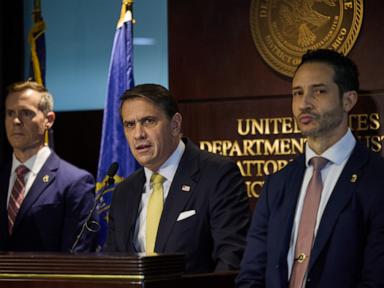
Federal prosecutors just dropped a massive hammer on the western coast of Puerto Rico. More than eighty alleged members of a violent drug trafficking organization face severe federal indictments.
Law enforcement agencies don't usually pull off sweeps of this magnitude by accident. Months of meticulous investigative work led to the coordinated arrests of seventy suspects during a single multi-agency operation. The target was Los Bajadeo, a syndicate also known as LBD that terrorized local communities for years.
The Scale of the Los Bajadeo Operation
If you look at the scope of what federal authorities uncovered, the numbers are staggering. The indictment details a multi-million-dollar criminal enterprise that didn't just deal small-time street drugs. Investigators state the organization moved massive quantities of illegal substances.
We are talking about thousands of kilograms of cocaine alongside lethal shipments of fentanyl. The group generated tens of millions of dollars in illicit proceeds. They smuggled drugs straight into the continental United States via the U.S. Postal Service.
Public housing complexes across Mayagüez and surrounding areas turned into open-air drug markets. Residents lived under the constant threat of crossfire.
Violence as a Business Model
Criminal organizations built on drug distribution rely on intimidation to maintain control. Los Bajadeo was no exception. When leaders perceived threats from rival groups or internal leaks, they turned straight to violence.
Shootings, kidnappings, and murders formed the backbone of their security protocol. Members communicated using encrypted messaging apps, two-way radios, and social media to coordinate logistics. They tried to stay one step ahead of the law.
Federal law enforcement bypassed those digital layers through long-term surveillance and intelligence gathering. Homeland Security Task Forces, the FBI, and local police joined forces to systematically dismantle the command structure.
What This Means for Federal Enforcement Strategy
Attorney General Todd Blanche flew to San Juan to announce the charges personally. This move signals a much broader federal push against transnational cartels and regional gangs operating within U.S. territories. The strategy focuses heavily on choking off the supply pipelines flooding local neighborhoods with dangerous narcotics.
Arresting eighty-one people disrupts daily street operations, but it also sends a clear message. Federal prosecutors want to dismantle these networks from top to bottom. They aren't just targeting low-level dealers. They are going after the leadership tier pulling the strings.
Communities across Mayagüez can finally breathe a sigh of relief. Local families deserve to walk their neighborhoods without fearing stray bullets or rampant drug addiction. Law enforcement agencies promise that more sweeps are coming if other groups try to fill the vacuum left by LBD.
Check out this 81 members of violent Puerto Rico gang charged in major drug trafficking case for more details on the federal indictment and sweep.
http://googleusercontent.com/youtube_content/1