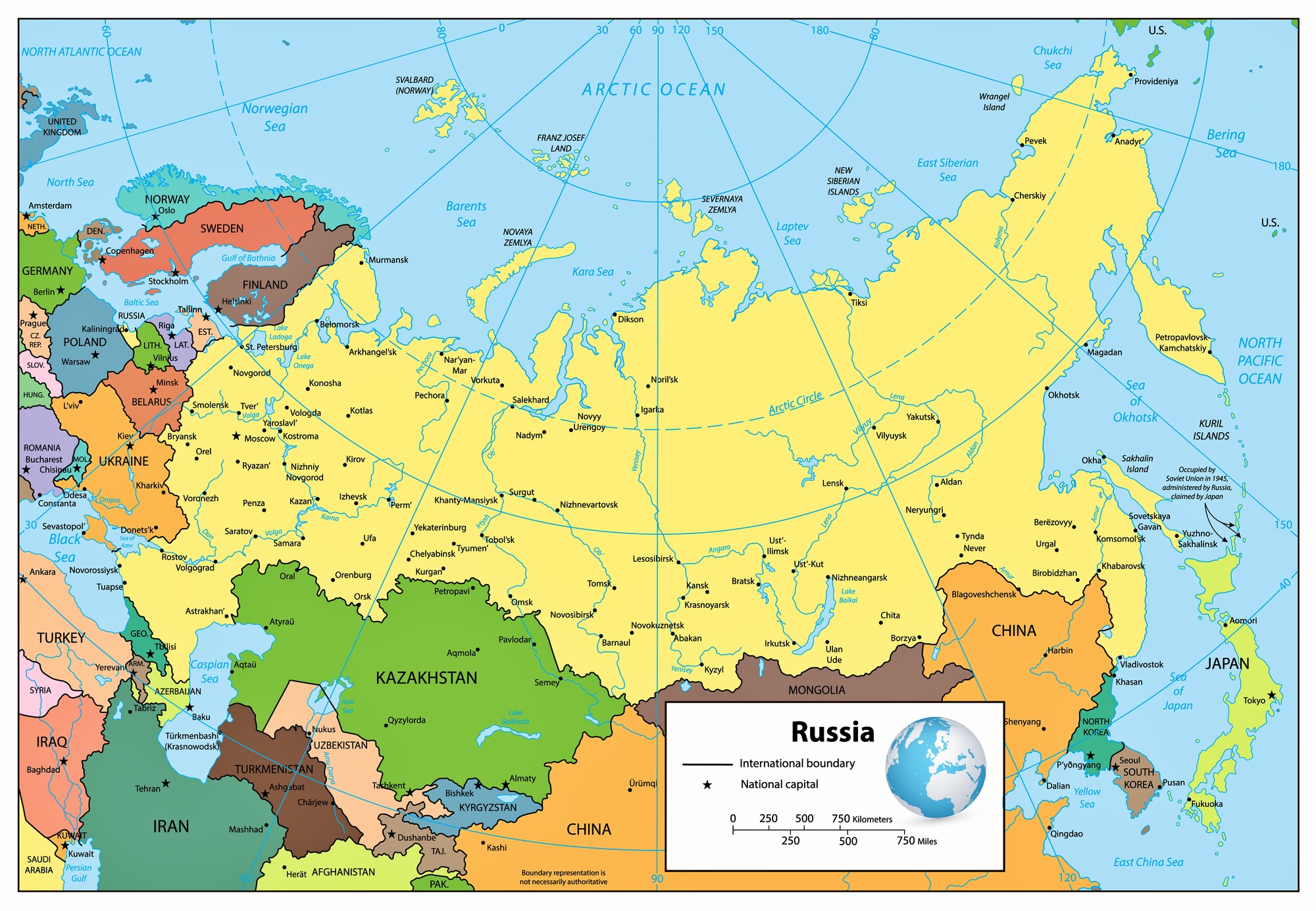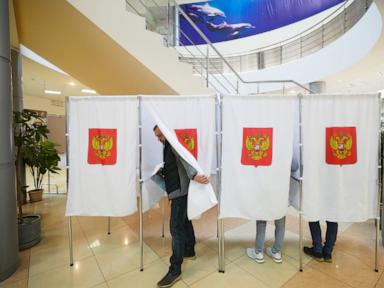
Tensions flared in St. Petersburg on Saturday as reports emerged that a Russian election observer lost consciousness during a forceful police arrest at a polling station. The incident occurred on the second day of a tightly managed three-day parliamentary contest to elect members of the State Duma—the first national legislative vote since Moscow's full-scale invasion of neighboring Ukraine.
According to statements released by the liberal opposition Yabloko party via Telegram, polling station officials accused their monitor of attempting to disrupt the electoral process. Police were summoned, and officers reportedly used physical force. Witnesses and party representatives noted that the observer collapsed and lost consciousness during the detention, leaving it unclear whether he received prompt medical care before being hauled off to a local precinct and slapped with charges of disobeying police orders. Russian state authorities did not immediately offer an official comment on the episode.
The confrontation highlights an increasingly hostile environment for independent election monitoring. Yabloko, which stands as the sole registered political entity to openly criticize the conflict in Ukraine, faced severe legal hurdles when the Russian Supreme Court removed them from large portions of the ballot. The party retains only a scattering of candidates running in single-constituency races.
Complaints about access and intimidation have dominated the weekend voting cycle. Both Yabloko and members of the Communist Party reported widespread denials of entry for their designated observers at polling locations across the country. Party chairman Nikolai Rybakov lodged formal appeals with Central Election Commission chief Ella Pamfilova, stressing that the widespread blocking of monitors points to a coordinated effort rather than isolated administrative mistakes.
International oversight has also been virtually sidelined. The Russian Foreign Ministry declined to invite monitoring missions from the Organization for Security and Cooperation in Europe (OSCE), citing alleged double standards. OSCE Parliamentary Assembly President Pere Joan Pons condemned the move, stating that the refusal violates international commitments and showcases a persistent disregard for transparency and democratic accountability.
Instead of traditional independent oversight, the official roster of monitors heavily favors aligned interests. Out of nearly 100,000 registered observers tied to major political groups, the vast majority are linked to the ruling United Russia party, which is widely anticipated to retain its commanding legislative majority in the lower house. Smaller systemic opposition groups that typically vote in tandem with Kremlin initiatives are also expected to maintain their presence.
Compounding these restrictions, authorities introduced strict new codes of conduct for anyone permitted inside polling spaces. Observers face outright bans on making any public commentary or statements that officials might interpret as undermining trust in the electoral system. With voting stretched across three days and bolstered by electronic balloting options, the government aims to maximize turnout among the roughly 111 million eligible voters while shutting down any platform for dissenting voices.
For live updates and official notices regarding regional vote tallies, check the portal managed by the Central Election Commission of the Russian Federation.