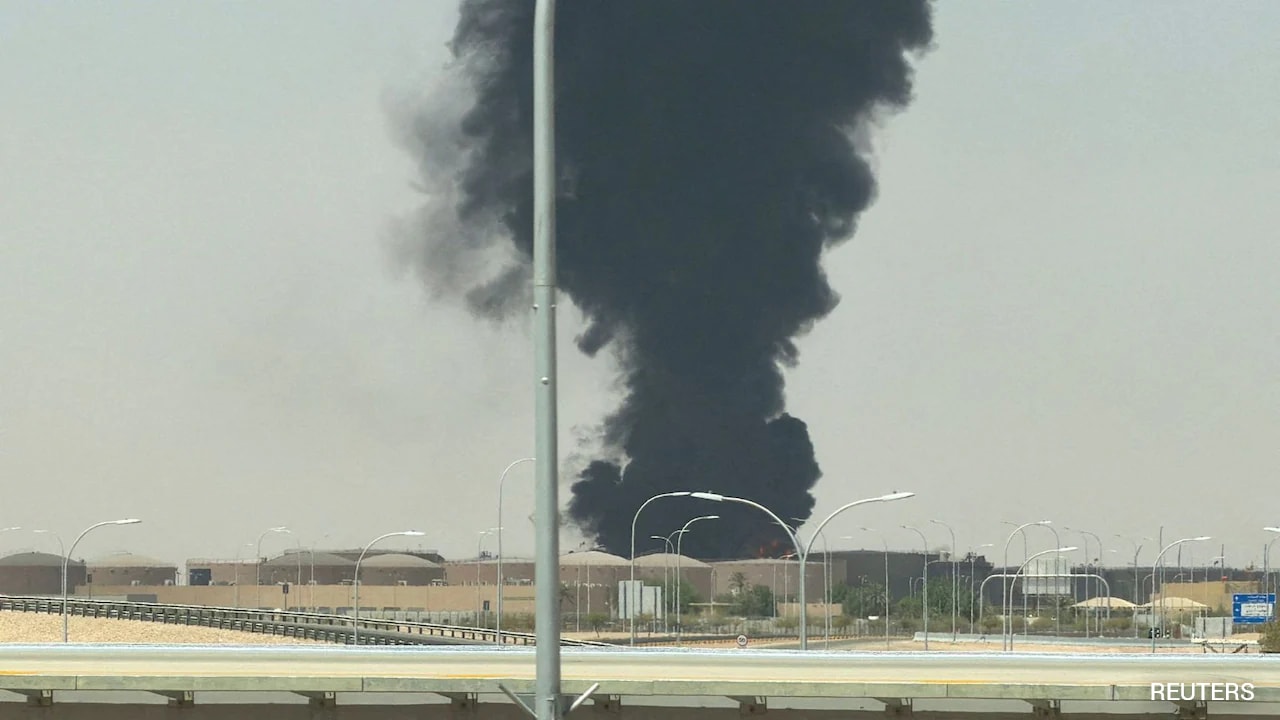
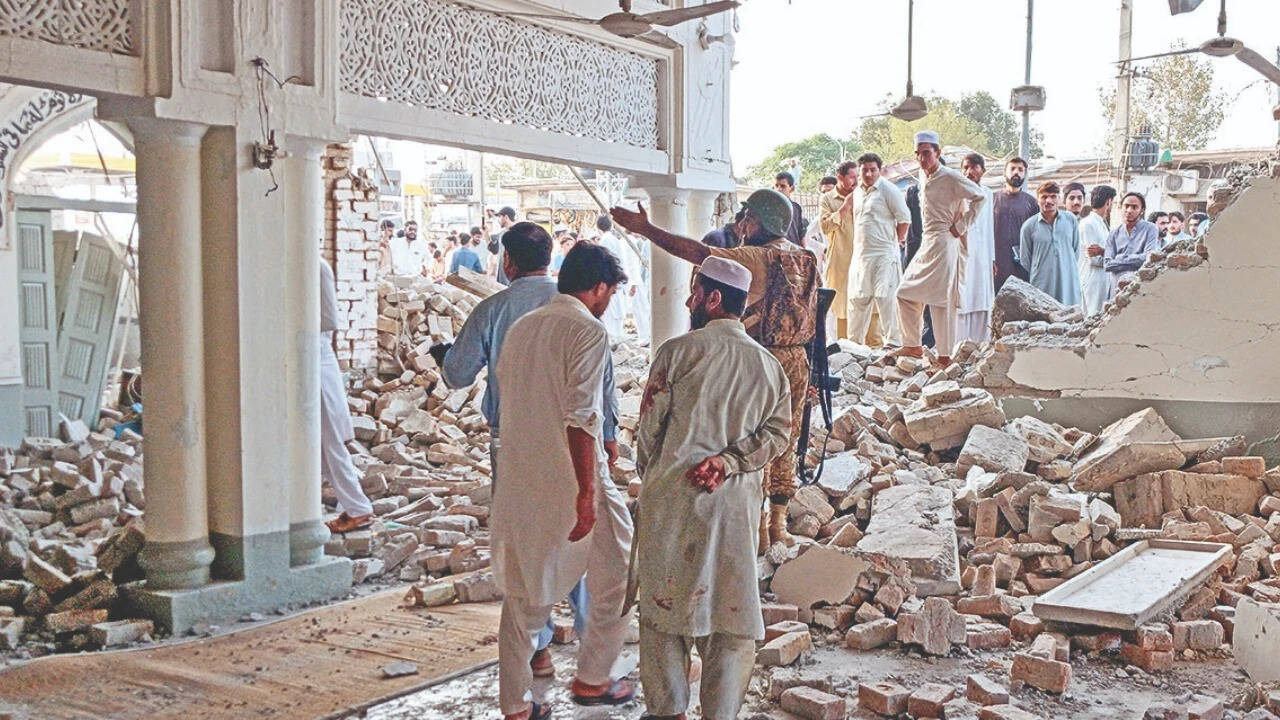
A towering plume of thick black smoke turned the northern Paris sky pitch black on a Tuesday afternoon, instantly triggering panic and halting operations near one of Europe's busiest aviation hubs. When a massive fire broke out in a vehicle storage facility and business park in Louvres, just kilometres away from Paris Charles de Gaulle Airport, social media timelines filled with apocalyptic footage.
If you were watching from afar, it looked like the airport itself was burning down. Yet, beneath the dramatic visuals and immediate safety protocols, reality proved far less chaotic than the headlines suggested.
What Actually Happened in Louvres
The fire started around 3:00 PM local time, rapidly consuming a parking lot and storage facility frequently used by travelers to leave their cars near the Aéroport Charles-de-Gaulle 2 RER station. Dozens of parked vehicles caught fire, feeding massive columns of dark smoke that drifted for miles across the Île-de-France region and remained visible from central Paris.
Local authorities didn't take chances. The regional fire brigade dispatched roughly 80 firefighters alongside 38 fire engines to tackle the blaze, backed by about thirty gendarmes securing the perimeter.
Why Two Runways Were Closed
Air traffic safety protocols demand immediate action when heavy smoke blankets the vicinity of active flight paths. Consequently, airport management and aviation authorities ordered the temporary closure of two runways at Charles de Gaulle Airport.
Naturally, runway closures at a mega-hub usually spell disaster for international scheduling. Travelers instantly brace for multi-hour delays, missed connections, and stranded crowds.
However, air traffic controllers and airport operators managed the situation smoothly. Despite the dramatic visual footprint of the fire, aviation operations experienced virtually no major disruptions. Flights continued landing and departing using alternative active corridors, proving that redundancy systems at major European airports can absorb localized shocks remarkably well.
Local Disruptions and Public Safety Response
While the skies remained largely manageable, ground transport and local residents took the brunt of the incident.
The RER train station serving the airport area faced immediate closures, and local bus lines required sudden diversions to keep commuters away from the danger zone. Neighboring municipalities, including Fontenay-en-Parisis, issued urgent local safety advisories. Officials urged residents to stay indoors, keep their doors and windows firmly shut, and turn off external ventilation systems to avoid inhaling toxic fumes from the burning vehicles and synthetic materials.
Practical Takeaways for Travelers Near Paris Hubs
Incidents like this highlight how quickly travel plans can get complicated by unexpected regional emergencies. If you're transiting through Charles de Gaulle or heading toward northern Paris transport nodes during an emergency, keep these rules in mind:
- Check live transit feeds before leaving central Paris, as RER lines and regional buses can shut down instantly for security.
- Don't panic when you see smoke on social media; visual scale rarely matches actual operational impact on airport runways.
- Monitor airline apps rather than panic-driven news snippets to see if your specific flight faces real-world delays.
Emergency services managed to bring the situation under control by late afternoon, preventing any reported casualties while mitigating structural damage to the surrounding transport infrastructure.