The Isle of Man is a place of haunting beauty and immense danger. Every August, the Mountain Course transforms into a crucible for motorcycle racers. This year, the 2026 Manx Grand Prix has been struck by profound sorrow, with the loss of two competitors within forty-eight hours.
The sport doesn't hide its risks. It wears them on its sleeve. Recently making headlines recently: Why Internet Trolls Lost Their Minds Over A Canadian Anthem At A Bills Game.
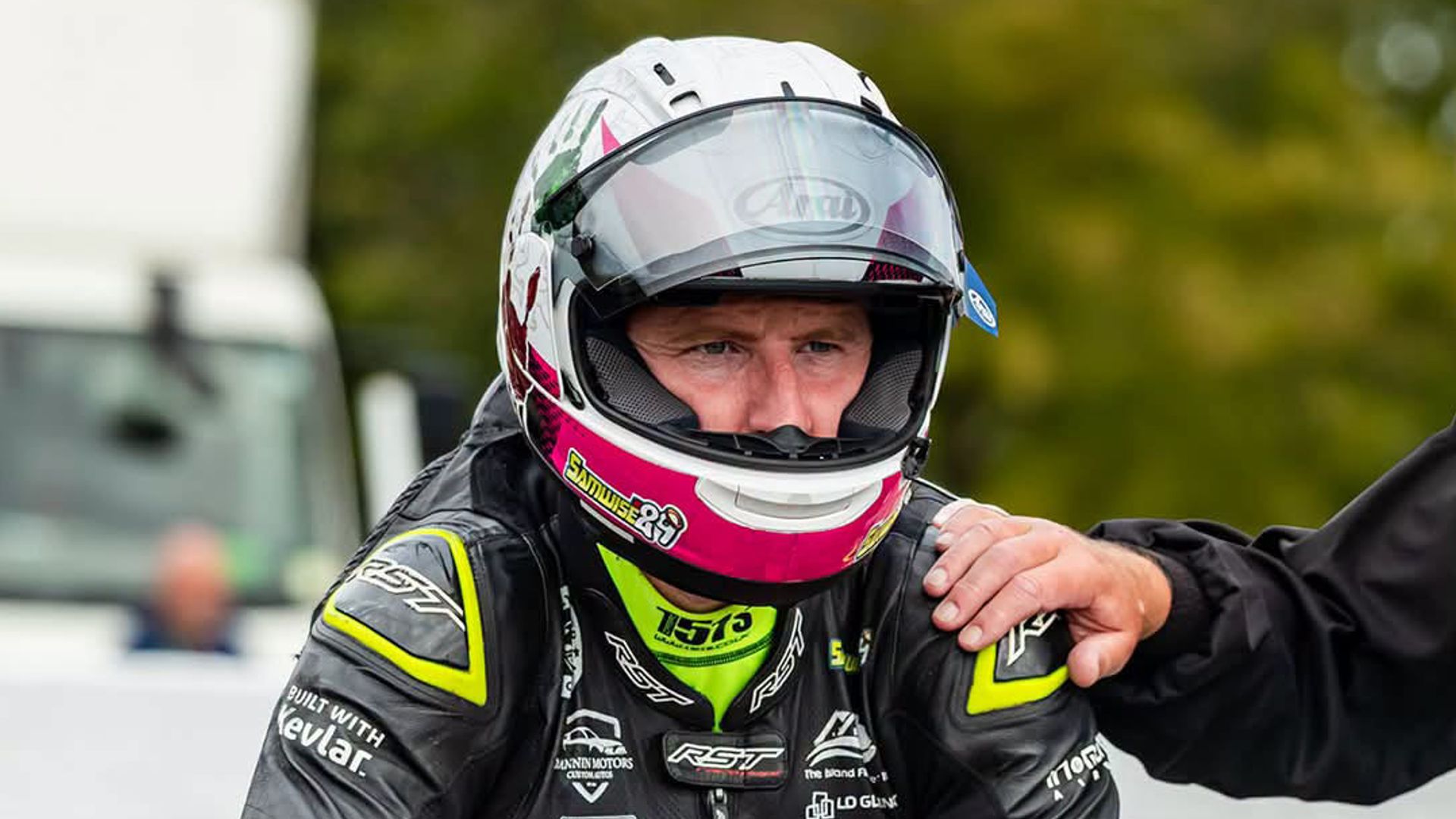
On Tuesday, Mauro Poncini, a 29-year-old Swiss rider, lost his life following an incident at Cruickshanks during the second qualifying session. Just one day later, Sam Naughton, a 37-year-old local racer from Castletown, suffered a fatal crash at Doran's Bend. These weren't just riders; they were people deeply embedded in the tight-knit community of road racing. Their families, friends, and the racing fraternity are now left to navigate a grief that most of the world will never have to face.
The Reality of the Mountain Course
If you haven't stood on the side of a road on the Isle of Man while a bike screams past at 150mph, it’s hard to grasp the scale. This isn't a closed circuit with run-off areas and gravel traps. It’s a network of public roads. Stone walls, telegraph poles, and residential houses sit just inches from the track. More information into this topic are explored by ESPN.
Road racing exists in a different category of human endeavor. It requires a singular focus that defies standard logic. When people ask why anyone would participate, they're usually looking for a rational answer. There isn't one. It’s an internal drive—a need to push the boundaries of what is possible on two wheels in an environment that is, by design, unforgiving.
Understanding the Risks of Qualifying
Qualifying sessions are often mistaken for mere practice. They aren't. They are high-speed, high-stakes attempts to secure a grid position. You’re fighting for every millisecond. The pressure to set a fast time while navigating traffic, changing track conditions, and the inherent complexity of the 37.73-mile course is immense.
I've watched countless riders tackle this circuit over the years. You see the intense preparation, the meticulous bike setup, and the silent, meditative state they enter before the visor drops. Yet, no amount of preparation can mitigate the variables of a public road. A bump in the tarmac, a gust of wind, or a mechanical issue at the wrong moment changes everything.
The tragic events of this week highlight the thin line between pushing for a personal best and the ultimate cost. It’s a reality the riders accept, but one the spectators and the families shouldn't have to carry alone.
The Aftermath and the Response
The Manx Grand Prix organization has responded with its standard procedures, which include multi-agency investigations. When an incident occurs, the event is immediately halted—a red flag signals to everyone on the course that the priority has shifted from competition to life-saving efforts.
The medical teams on the island are among the best in the world. They are accustomed to trauma on a scale that would overwhelm standard emergency services. Their efforts to support those involved are relentless, yet even they cannot undo the finality of a tragedy.
Why We Continue to Watch
There is a recurring question every time a life is lost in road racing: Should this still be happening?
Critics point to the modern advancements in circuit racing and argue that the Mountain Course is an anachronism. But road racing isn't about safety metrics or commercial viability. It’s about a tradition that stretches back over a century. For the riders, it’s the ultimate challenge. For the fans, it’s an awe-inspiring display of human capability.
We don't watch because we want to see danger. We watch because we recognize the extraordinary nature of the people who choose to ride. They are aware of the risks—fully, completely aware.
A Note on Respecting the Process
If you’re following the updates from the 2026 event, it’s important to give the authorities and the families space. Speculation on social media about the "why" and "how" of these accidents rarely helps and often adds to the pain of those grieving.
The organizers are doing their jobs. The marshals—those incredible volunteers who stand on the course regardless of the danger—are doing theirs. The focus right now is on the families of Mauro Poncini and Sam Naughton.
Road racing is a sport that lives in the present. It moves forward, as it must, but it never forgets. The legacy of these riders will remain in the stories told in the paddocks and the memories of those who saw them chase their own version of greatness.
For those interested in the history of the sport or seeking to understand the technical side of the Mountain Course, the best thing you can do is support the organizations that prioritize rider welfare and local heritage. Look into the TT Riders Association, which provides help to injured riders and their families. Respect the road. Respect the riders. And remember that behind every lap time is a human life.