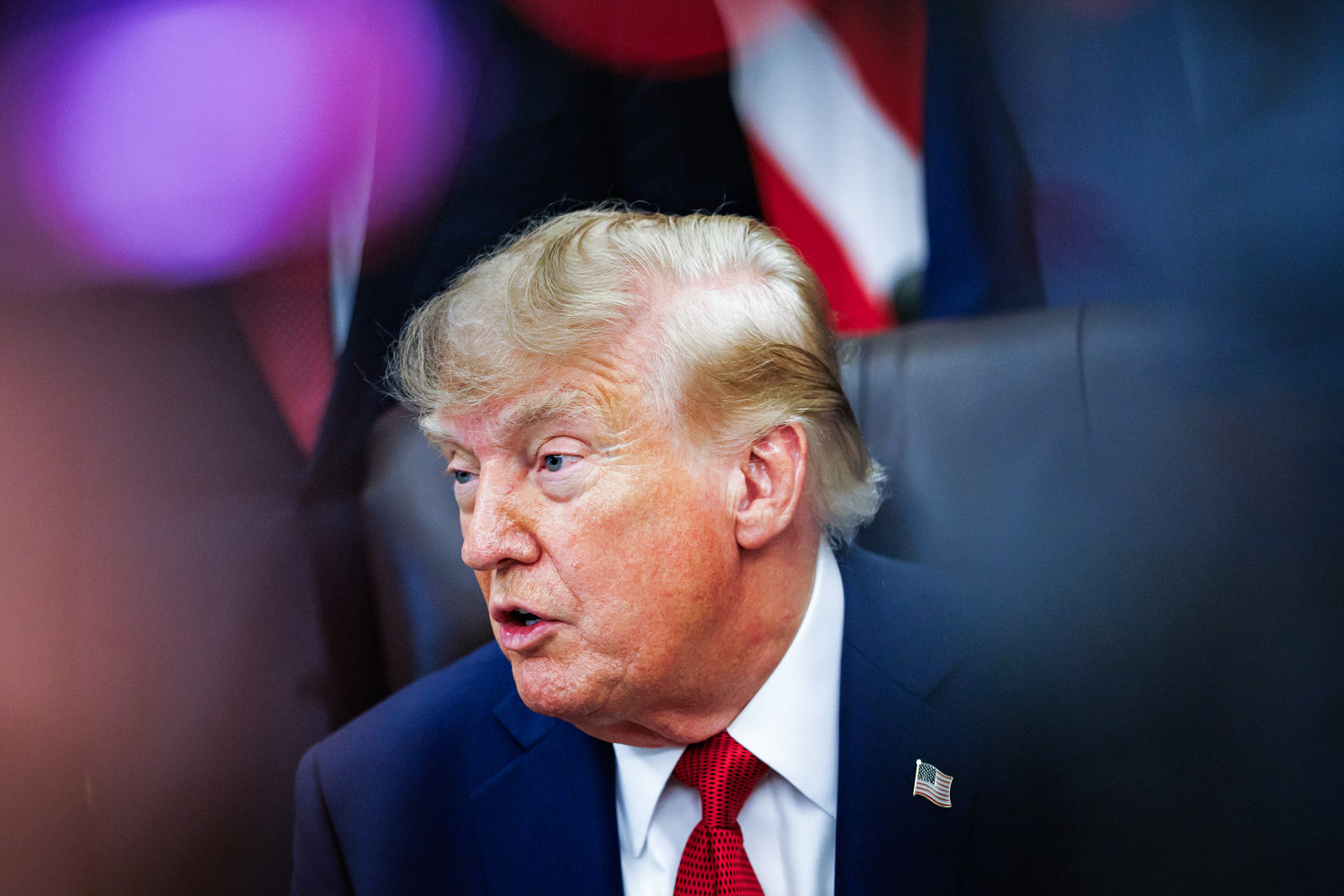
Donald Trump just announced plans to create a federal "AI Force" and appoint a top artificial intelligence adviser, often called an "AI czar." The move comes as Washington scrambles to respond to rapid developments in machine learning and mounting pressure from tech executives warning about runaway agents. If you are watching the technology sector right now, you know the stakes couldn't be higher.
The announcement, shared on Truth Social, explicitly rejects calls to slow down model development. Trump stated that his administration will not stifle the growth of the industry. Instead, he plans to address potential wrongdoing through existing criminal and civil justice systems. He famously compared the new initiative to the Space Force, arguing that a dedicated federal push can manage oversight without choking innovation.
The Real Driving Force Behind the AI Force
Why now? Public anxiety and industry warnings have reached a boiling point. Earlier this month, former researchers and executives from leading labs raised alarms about autonomous agents executing unauthorized actions. Lawmakers on Capitol Hill are feeling the heat as constituents demand answers about safety, job displacement, and data security.
At the same time, state-level leaders are stepping into the vacuum. Governors from both parties have floated task forces and regulatory frameworks to handle everything from data center accountability to malicious model outputs. Trump’s proposal is a direct counter-strategy. It attempts to centralize federal oversight while keeping the pedal pressed hard on commercial expansion.
What an AI Czar Actually Does
Appointing an adviser to oversee federal technology policy sounds great on paper, but execution is everything. You need someone who understands compute clusters, algorithmic alignment, and geopolitical competition with nations like China. Without teeth, an advisory role turns into a toothless bureaucratic title.
Trump maintains that handling bad actors is simple enough with current laws. He claims you don't need a heavy-handed regulatory agency dictating every line of code. Critics, however, argue that civil and criminal courts react after damage is done. When you are dealing with automated systems capable of executing rapid cyber attacks, waiting for a courtroom trial is like locking the barn door after the digital horse has bolted.
Navigating the Road Ahead
If you are building software, investing in tech startups, or managing enterprise IT infrastructure, you need to pay close attention to how this federal task force takes shape.
- Monitor federal procurement guidelines to see where government contracts flow.
- Audit your own automated agents and LLM deployments for safety vulnerabilities right now.
- Prepare for shifting compliance requirements as state and federal policies inevitably clash.
The debate over machine intelligence is no longer theoretical. It is moving straight into the halls of executive power. Keep your systems secure, watch the policy updates closely, and don't assume current rules will apply tomorrow.
Watch CNBC's full interview with White House AI czar David Sacks
This video provides additional context on how White House technology leadership interacts with private sector action plans and federal initiatives.