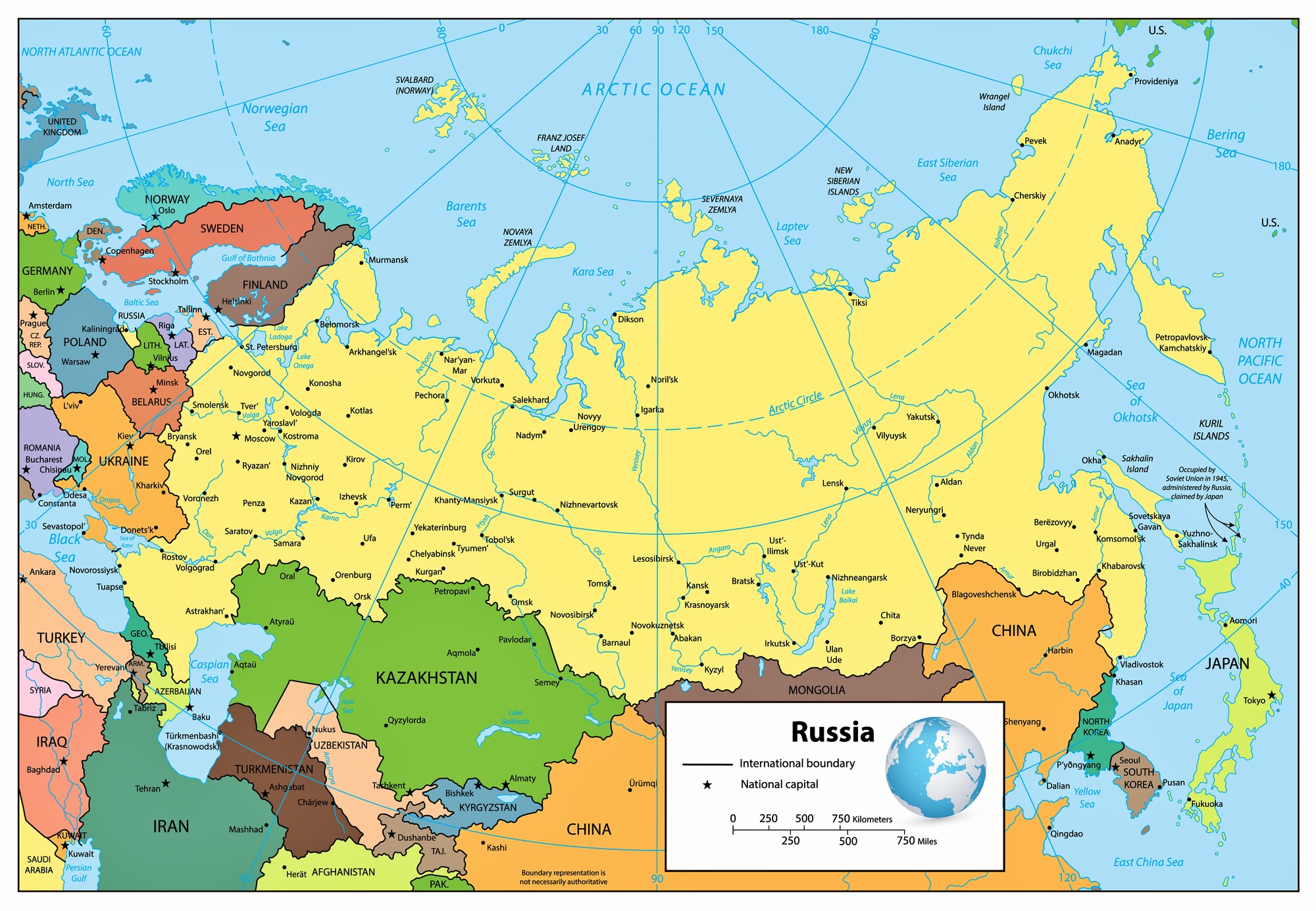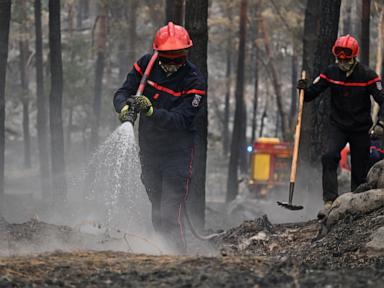
When water-dumping planes start scooping up water straight out of the Seine River, you know the emergency has hit home. For the first time in history, firefighting aircraft dipped into Paris's iconic river to fight twin blazes burning through the historic Fontainebleau forest, just 40 miles south of the capital. The fires consumed nearly 2,000 hectares (roughly 4,900 acres) of royal woodland, forcing 1,000 residents out of their homes, shutting down major highways like the A6, and disrupting rail traffic through Gare de Lyon.
Meanwhile, across the border in southern Spain, the human cost of Western Europe's third major heat wave of the summer is turning grim. Judicial authorities in Andalusia confirmed they identified 10 of the 13 victims killed in the horrific Los Gallardos fire that swept through a rural expatriate enclave. Five British citizens, three Belgians, a French national, and a Spaniard died, while 10 people remain missing.
This isn't just another bad summer news cycle. It's a fundamental shift in where and how climate-driven disasters strike.
The Fontainebleau Wake Up Call
Wildfires in the Mediterranean south of France are a seasonal reality. Wildfires threatening suburban Paris are not. Fontainebleau isn't a remote wilderness; it's a bustling tourist hub known for its royal chateau, world-class boulder fields, and dense commuter towns.
When two separate blazes broke out in the dry forest canopy, shifting winds quickly pushed smoke into nearby residential areas. What makes the Fontainebleau situation particularly alarming is the human factor. French Interior Minister Laurent Nuñez confirmed that authorities arrested two suspects in connection with the Fontainebleau fires, alongside two others elsewhere in the country. Regional prefect Pierre Ory noted that arson was a primary line of investigation.
Think about that combination for a second. You have record-breaking temperatures topping 40°C (104°F), crisp dry vegetation, and potentially deliberate human activity. It creates a powder keg right on the doorstep of 12 million people in the Île-de-France region.
Tragedy in Spain Exposes Rural Fire Traps
While Paris managed to evacuate 1,000 people without reported deaths or major injuries, Spain wasn't so fortunate.
The Los Gallardos fire scorched 70 square kilometers (about 27 square miles)—an area bigger than Manhattan. It completely overran an isolated community populated heavily by foreign retirees. The victims had little time to react when dry brush, intense gales, and triple-digit heat turned the surrounding farmland into an inferno.
Identified fatalities include:
- 5 British nationals (including a 93-year-old woman who succumbed to injuries in the hospital)
- 3 Belgian nationals
- 1 French national
- 1 Spanish national
Ten people are still missing as forensic teams work with biological samples to identify remains. It highlights a glaring vulnerability: ex-pat enclaves in rural Southern Europe often lack localized early-warning infrastructure, clear evacuation routes, or bilingual emergency broadcasts.
Europe Is Warming Twice as Fast as the Rest of the World
Data from the European Union's Copernicus Climate Change Service shows Europe is the world's fastest-warming continent. Temperatures across the region have risen twice as fast as the global average since the 1980s.
The math is simple and brutal. Higher temperatures dry out forests earlier in the spring. Subsequent summer heat waves turn those forests into tinder. When fires ignite, traditional firefighting tactics struggle to keep pace.
Firefighters in Paris had to resort to unprecedented tactics—scooping water directly from the Seine—because municipal infrastructure and regional water trucks weren't designed to combat forest fires of this magnitude near the capital.
Practical Next Steps for Residents and Travelers in High-Risk Zones
If you live in or travel through fire-prone parts of Europe during summer, relying purely on municipal response plans isn't enough. Here's what you should do immediately:
- Download Local Emergency Apps: If you're in France, ensure you have the Météo-France app set to push alerts for red heat-wave and wildfire warnings. In Spain, monitor updates from Protección Civil.
- Establish Private Evacuation Routes: If you reside in rural or forested ex-pat areas, identify at least two driving routes out of your neighborhood that don't rely on primary highways, which quickly get gridlocked or closed by police.
- Set Up Manual Alert Systems: Don't rely solely on mobile coverage. Cell towers frequently burn or overload during forest fires. Maintain a battery-powered or hand-crank emergency radio.
- Clear Defensible Space: Keep dry brush, dead leaves, and firewood at least 30 feet away from home structures, especially if living in timber-heavy regions like Fontainebleau or rural Andalusia.